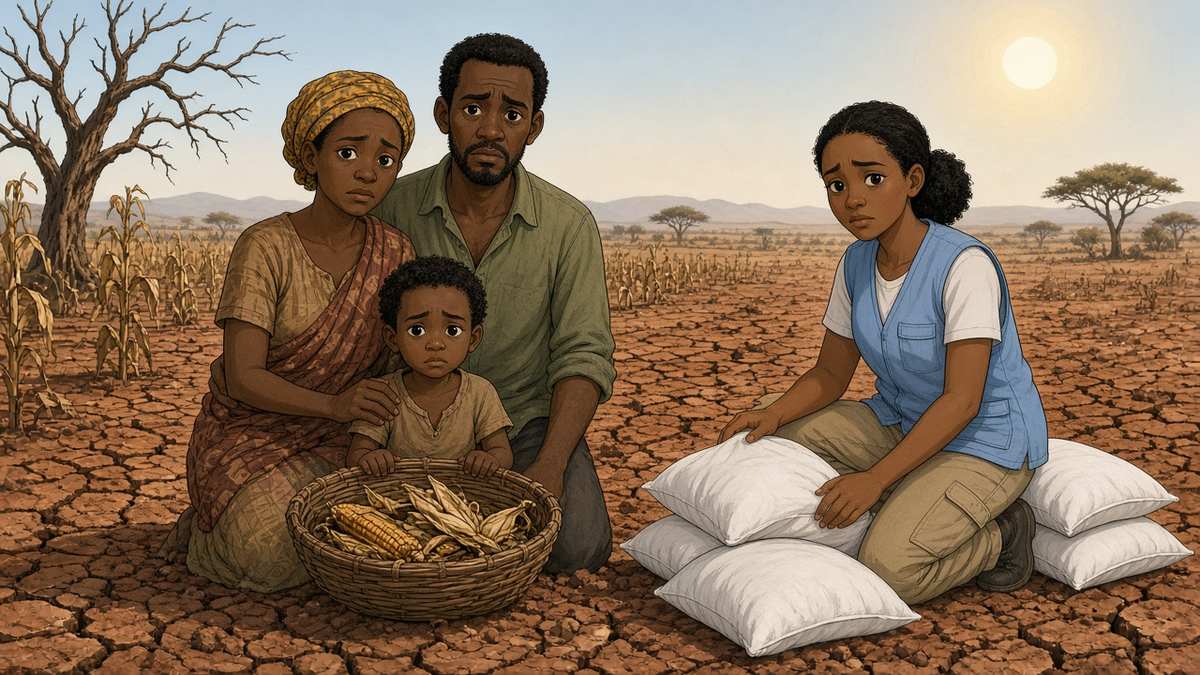
Sixteen parts of the world now face a serious worsening of acute hunger over the next six months, up from 13 in June, according to the latest early-warning report from two Rome-based UN agencies. The forecast, published on Friday by FAO and WFP, looks ahead to the period from December until next May.
What has changed most since the previous edition is the weather. An intensifying El Niño, which forecasters say could rank among the strongest ever observed, explains three of the four new entries. Five countries in the south of the continent, from Eswatini to Zimbabwe, are bracing for heat and drought just as farmers should be sowing. The agencies expect roughly three million Zimbabweans and well over two million Malawians to struggle to find enough to eat by March. Central America’s Dry Corridor endured its poorest first harvest in forty years, with losses above 75 percent in many places, and north-eastern Uganda has also been added. The fourth newcomer, Chad, is feeling the spillover from the war next door in Sudan, while Lebanon dropped off the list.
Nowhere is the picture bleaker than in the two Sudans. Analysts warn that a full-blown famine is possible in a dozen-plus districts of Darfur and Kordofan over the winter, and child malnutrition in a pair of displacement camps in the south-west is already at famine level. South Sudan also carries a famine warning, while Yemen, Somalia and Nigeria’s north round out the list of worst cases.
Fighting is the decisive factor in three quarters of the hotspots, and war-driven fuel costs make everything worse; the price of sorghum, a Sudanese staple, has doubled in twelve months. At the same time, the aid purse keeps getting smaller. Money for food aid in the five most critical countries has shrunk by about 60 percent in three years, to around two billion dollars. FAO official Conor Elliott called these “huge changes in international support”, according to CBC.
The agencies say early action is still possible and plan to shield 9 million people in 22 countries before El Niño peaks.