
For the first time since Yemen’s war reignited in July, the Saudi-led coalition told civilians in Sanaa to clear out before an air raid. Within hours the Houthis had answered in kind, and by Tuesday night a projectile had punched into the corporate heart of the kingdom’s oil economy.
In the Yemeni capital, the jets went for a rebel-operated depot on Sanaa’s outskirts. Coalition jets also went after storage tanks at the Red Sea port of Ras Isa and sites in Hodeidah, Dhamar and Saada. Spokesman Turki al-Maliki said the facilities fed the rebels’ missile and drone campaign. The operator insisted the Sanaa depot held no fuel at all, yet drivers still lined up at petrol pumps across the city, worried about running dry.
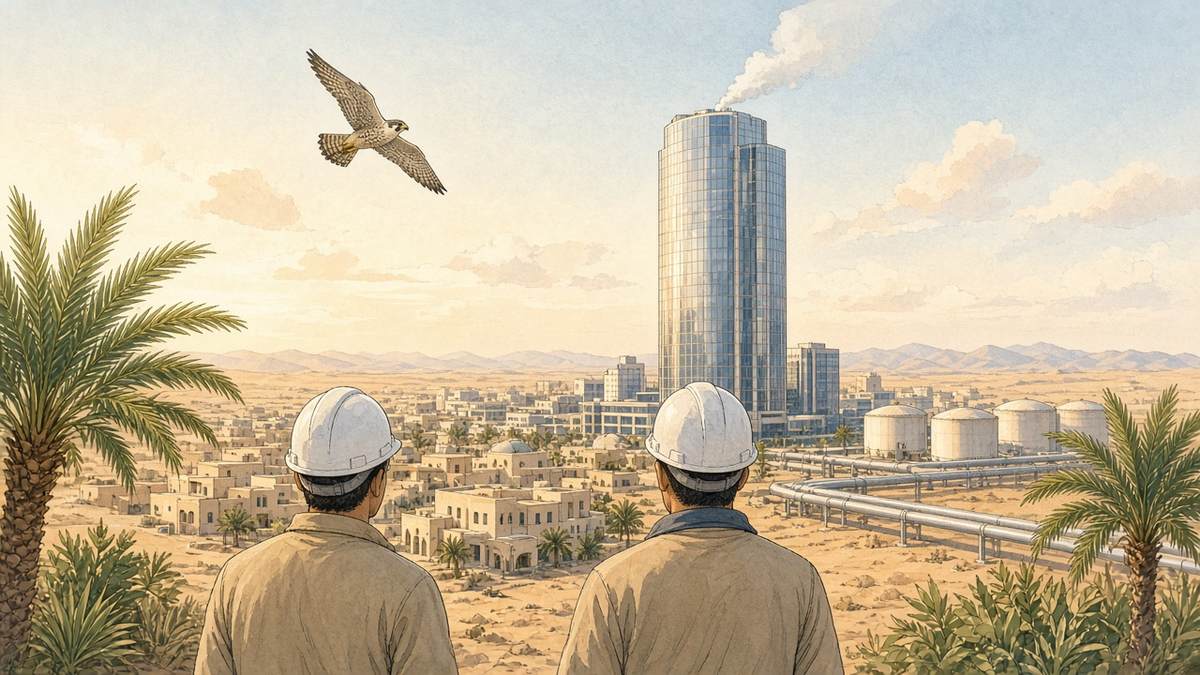
Houthi military spokesman Yahya Saree had promised a “harsh and painful” reply and urged oil workers to keep away from likely targets. Late in the evening, an administrative building inside Aramco’s Dhahran complex caught fire after being struck. Officials in Riyadh called the resulting fire small and said nobody was hurt. A company source quoted by Reuters spoke of a ballistic missile that wrecked the upper three storeys of an office tower. Dhahran is where Aramco runs the nerve centre for its rigs, pipelines and export terminals.
Riyadh came under fire as well. Air defences downed several incoming weapons, but falling fragments hurt four residents, a child among them, and damaged 15 homes.
The escalation follows Saturday’s deadly hit on the capital’s main airport, which killed 13 people. Ministers meeting under Crown Prince Mohammed bin Salman vowed the Houthis would pay a price. Donald Trump said the group was “behaving very badly” and floated asking Turkey’s Recep Tayyip Erdogan to step in. The IMF now expects the Saudi economy to contract by 3.3 percent this year. Inside Yemen, UN figures show over 216,000 people driven from their homes, while the number of likely cholera infections has roughly tripled since late September.
