
European Union foreign ministers meeting in Brussels on Monday added 12 people and 101 organisations to the bloc’s Russia sanctions list, aiming to squeeze the money that keeps Moscow’s war in Ukraine going. Those named now face frozen assets, and the individuals are barred from travelling to the EU.
Finance takes the biggest hit. The EU’s diplomatic service said close to 50 extra Russian banks and financial firms were listed, on top of more than 100 already under restrictions. Some are tied to the digital rouble or lend money to soldiers serving at the front. The list also reaches into online retail, naming the sole owner of Wildberries, Russia’s biggest retailer, and the man holding a controlling stake in rival platform Ozon.
Energy is the second pillar. The measures go after oil producers, the operators of Russian refineries and the oil terminal in St Petersburg. They also name crude buyers based in the United Arab Emirates, China, Oman and the Seychelles, plus businesspeople who own or run vessels in the so-called shadow fleet, the tankers Moscow uses to slip past the Western price cap on its oil.
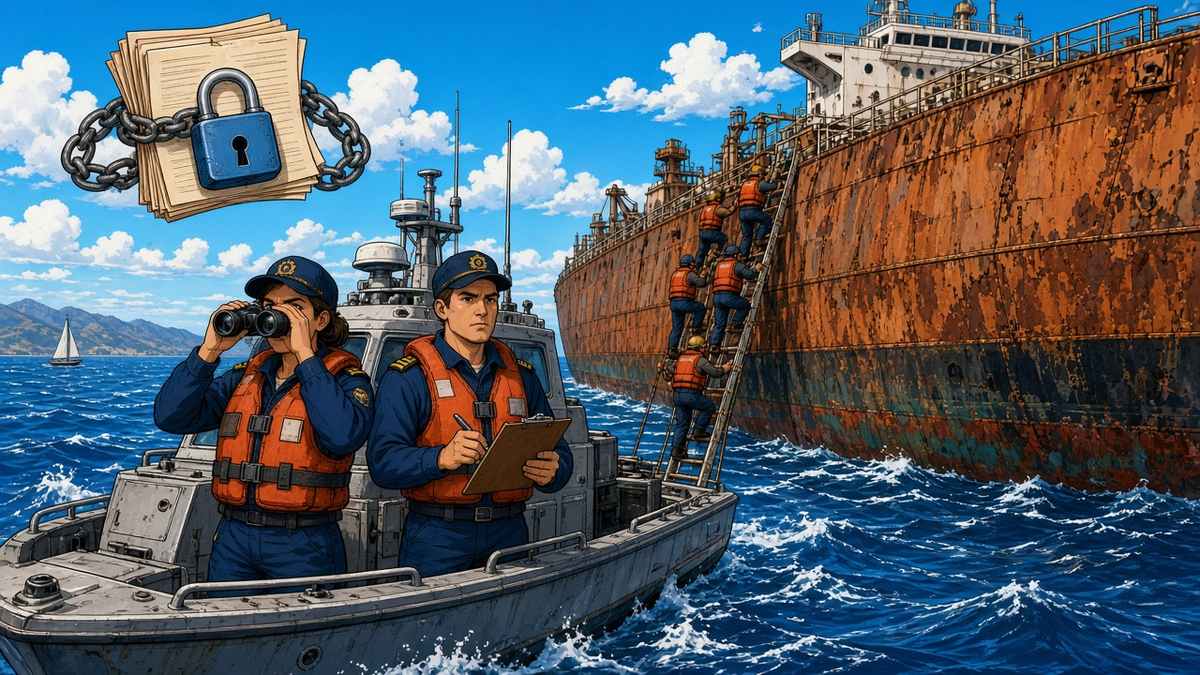
Brussels has also started acting at sea. On 13 November troops from the EU’s Operation Irini boarded the tanker MV Midag in the Mediterranean and found it was flying a false flag, foreign policy chief Kaja Kallas said, with the inspection carried out under the UN law of the sea rules that allow checks on stateless or falsely flagged ships. She vowed the bloc would keep disrupting the fleet both on the water and through diplomacy. Russia denies that any such fleet exists.
In a separate decision on hybrid threats, around 30 propagandists, state media figures and war bloggers, plus one firm, were also hit with penalties. Some capitals want to go further: Estonia’s Margus Tsahkna called for a complete ban on maritime services for Russian energy cargoes, while Poland’s Radosław Sikorski argued that each new listing narrows Moscow’s room to keep fighting.
